- Home
- Molecular Model Set - Water / Ice (H₂O)

Material : PS / PE
HSN Code : 90230010
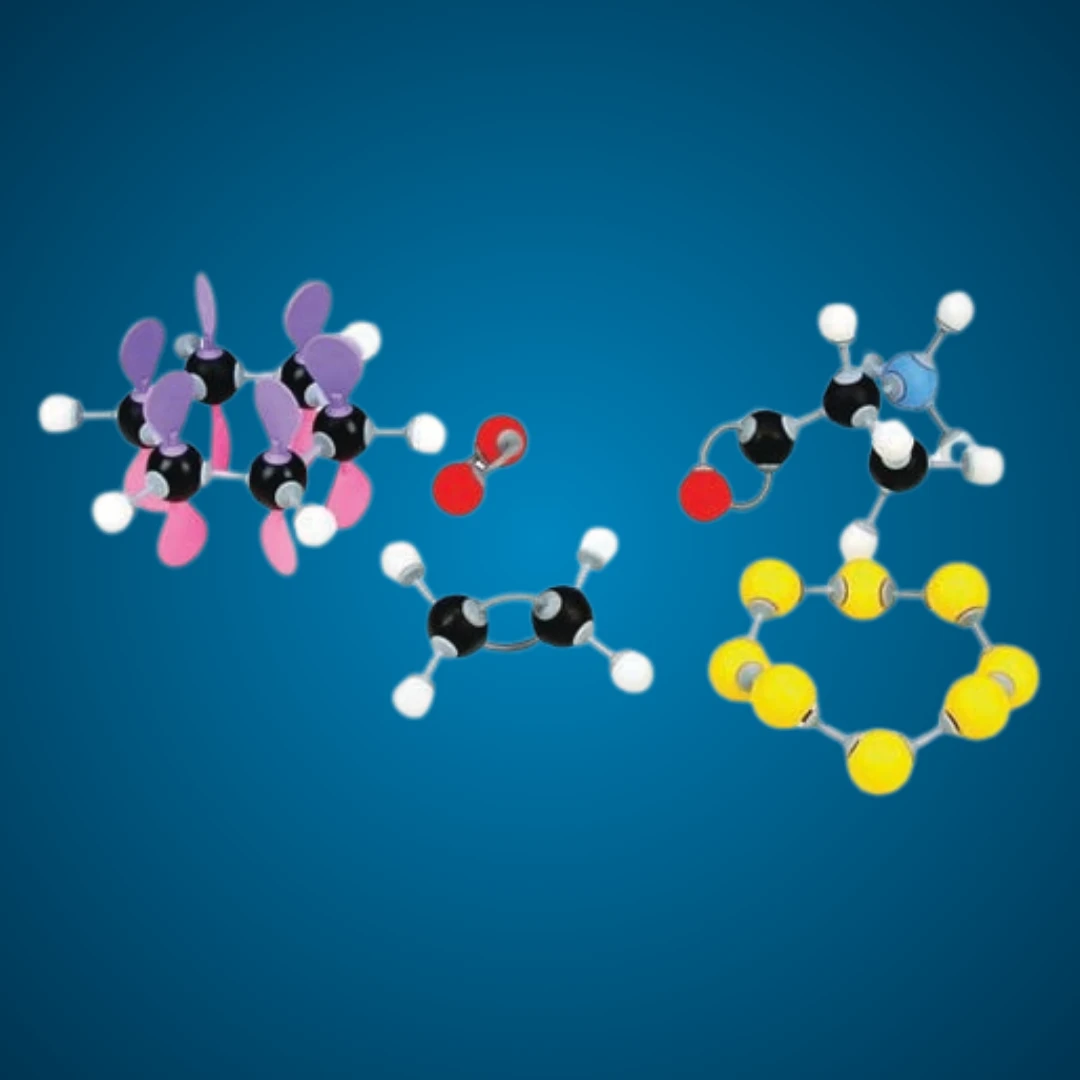
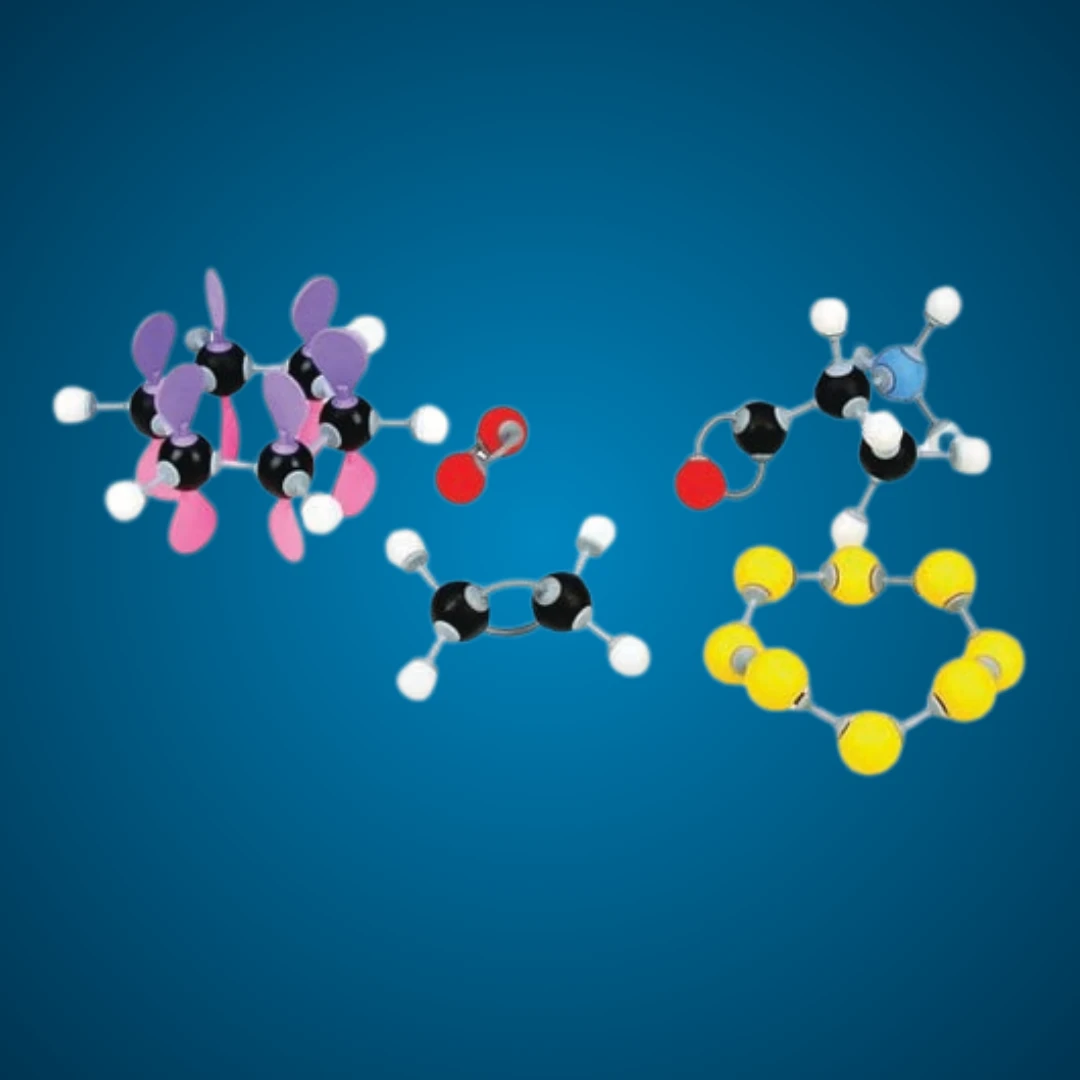
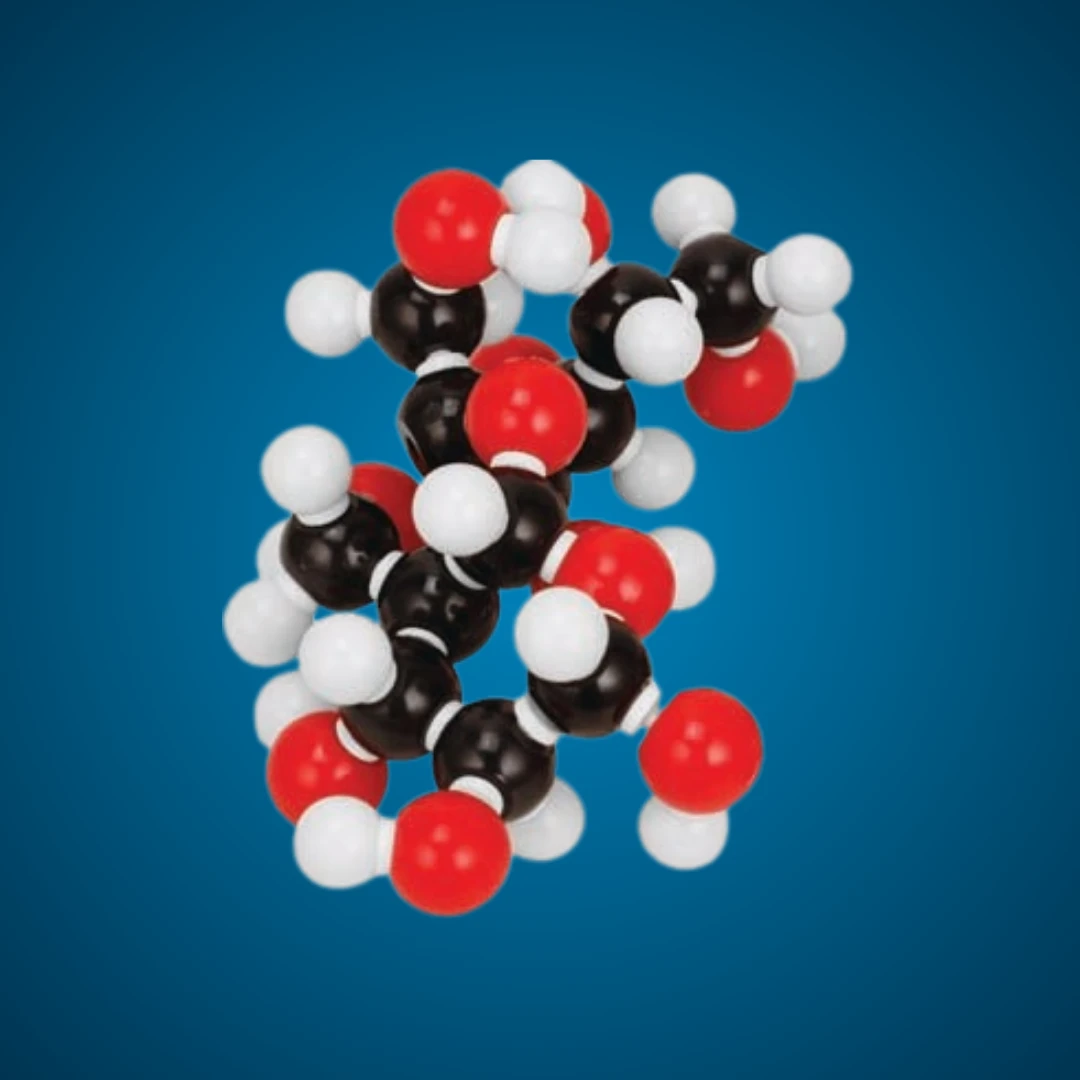
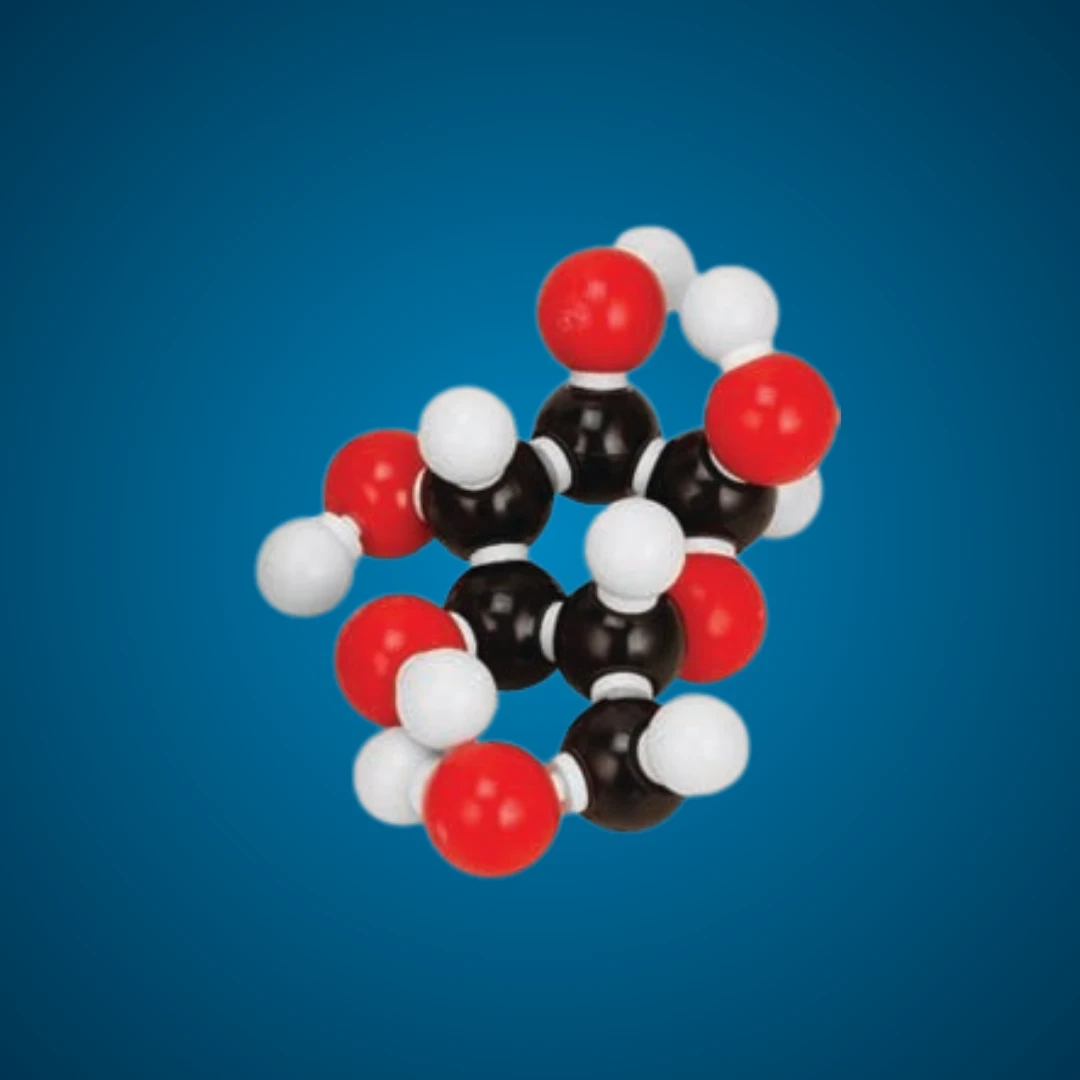
Polylab presents top rated and best Molecular Model Set – Water / Ice (H₂O), specially designed to help students understand the unique structure, bonding, and behavior of water in both liquid and solid (ice) states. This educational kit provides a clear visual representation of the bent molecular geometry of H₂O and how hydrogen bonding influences its physical properties.
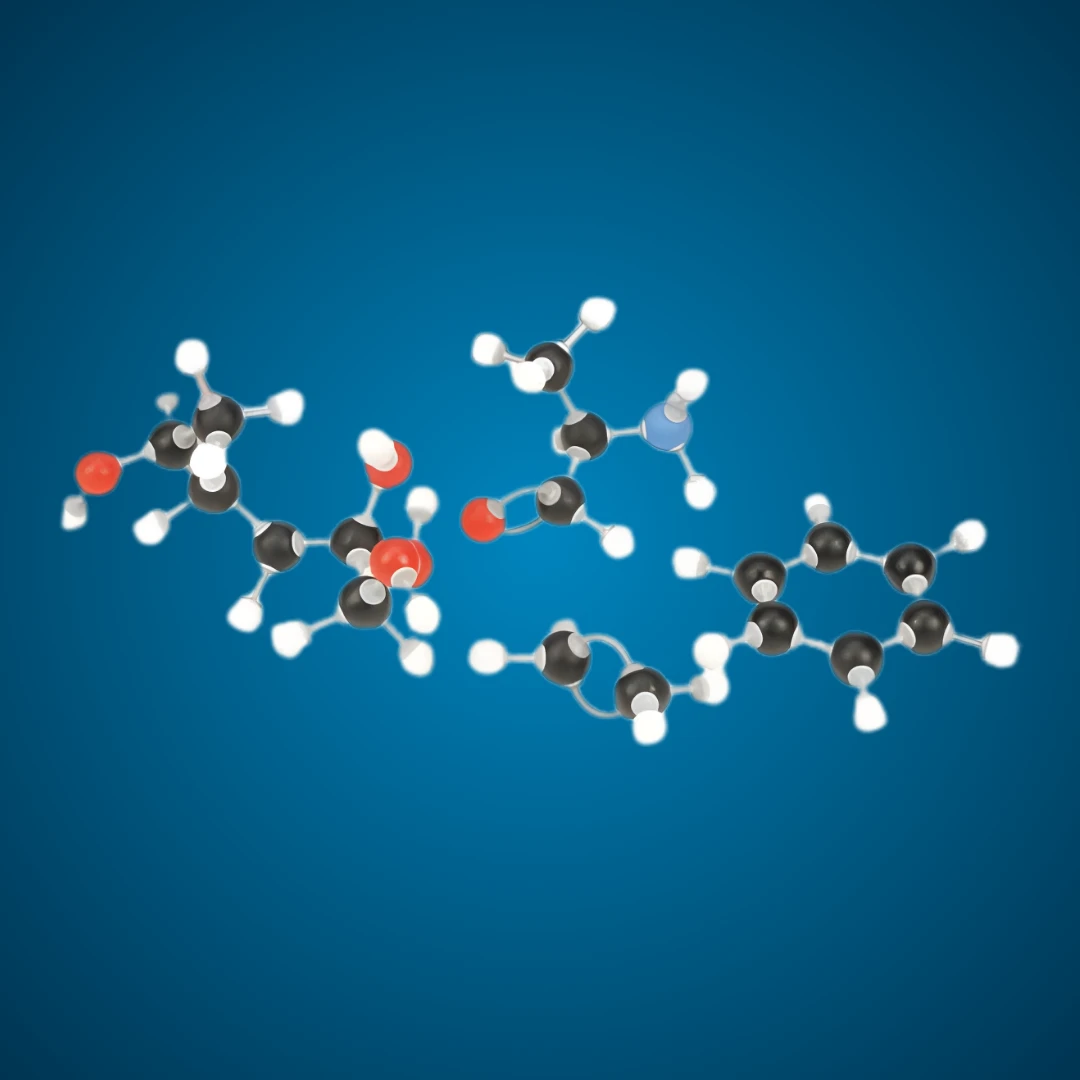
As trusted manufacturers and suppliers, Polylab focuses on delivering high-quality educational models that simplify complex scientific concepts. The set allows learners to build and observe the H₂O molecule, demonstrating bond angles, polarity, and intermolecular hydrogen bonding in an interactive manner.
Engineered for durability and repeated classroom use, the Polylab Water / Ice Molecular Model Set ensures accurate representation of molecular structure and bonding interactions. Its precision-designed components help in visualizing how water molecules arrange themselves in crystalline ice structures compared to liquid form.
Code | Particulars | Packing |
|---|---|---|
58035 | Water / Ice (H₂O) | 1 Pc |
Recognized among the best manufacturers and suppliers, Polylab continues to provide innovative science education tools. This model set is ideal for building strong conceptual understanding of one of the most essential molecules in chemistry and biology.
Chemistry Education : Used to teach molecular structure, polarity, and hydrogen bonding.
Classroom Demonstrations : Helps visualize water behavior in liquid and solid states.
Biology Learning : Supports understanding of water’s role in biological systems.
Laboratory Teaching : Useful for basic molecular modeling exercises.
Student Training : Enhances conceptual clarity through hands-on learning.
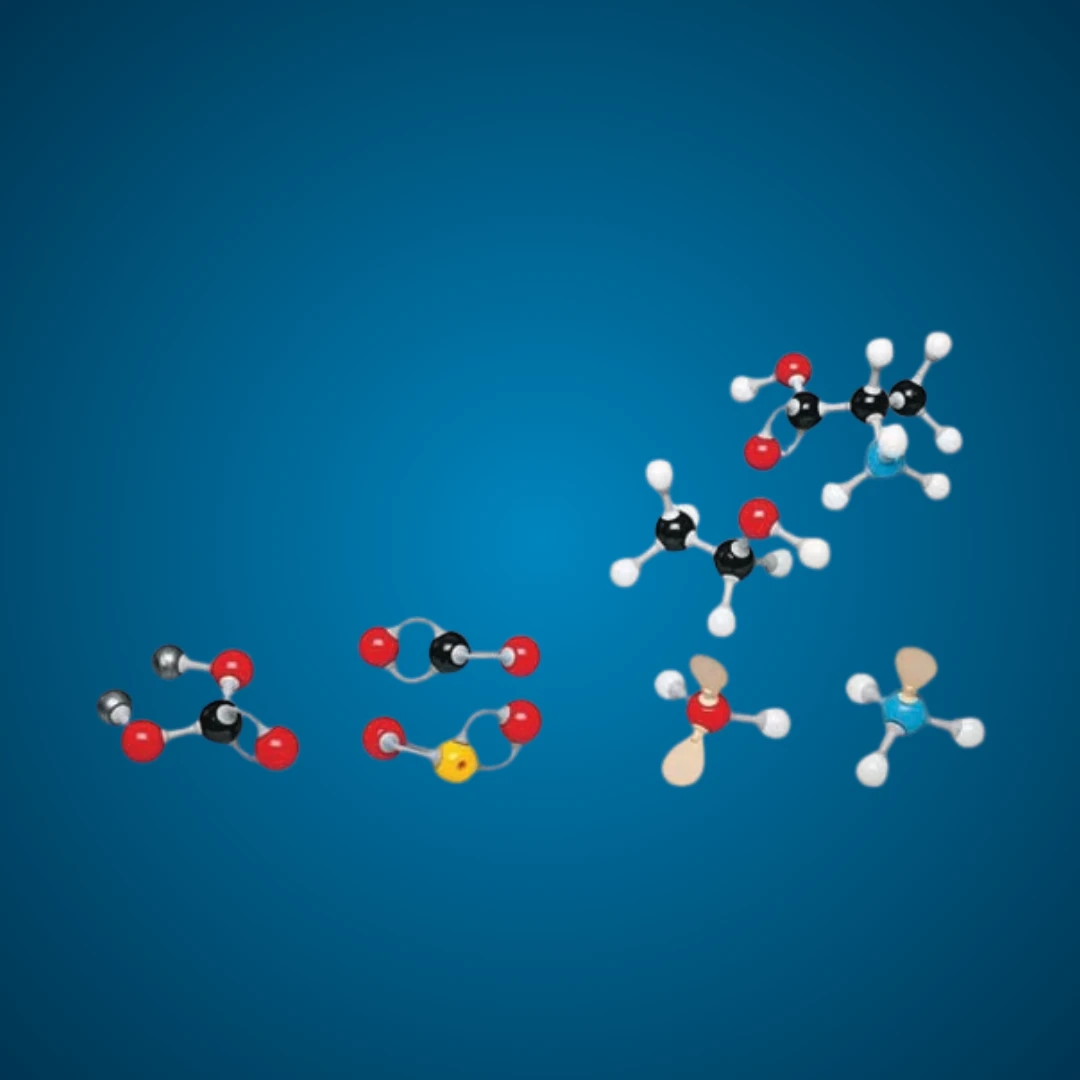
Accurate H₂O Geometry : Clearly represents bent molecular structure with correct bond angle visualization.
Hydrogen Bond Representation : Helps demonstrate intermolecular forces in water and ice formation.
Dual-State Learning Concept : Shows structural differences between liquid water and solid ice arrangements.
Durable Educational Components : Designed for repeated assembly and classroom demonstrations.
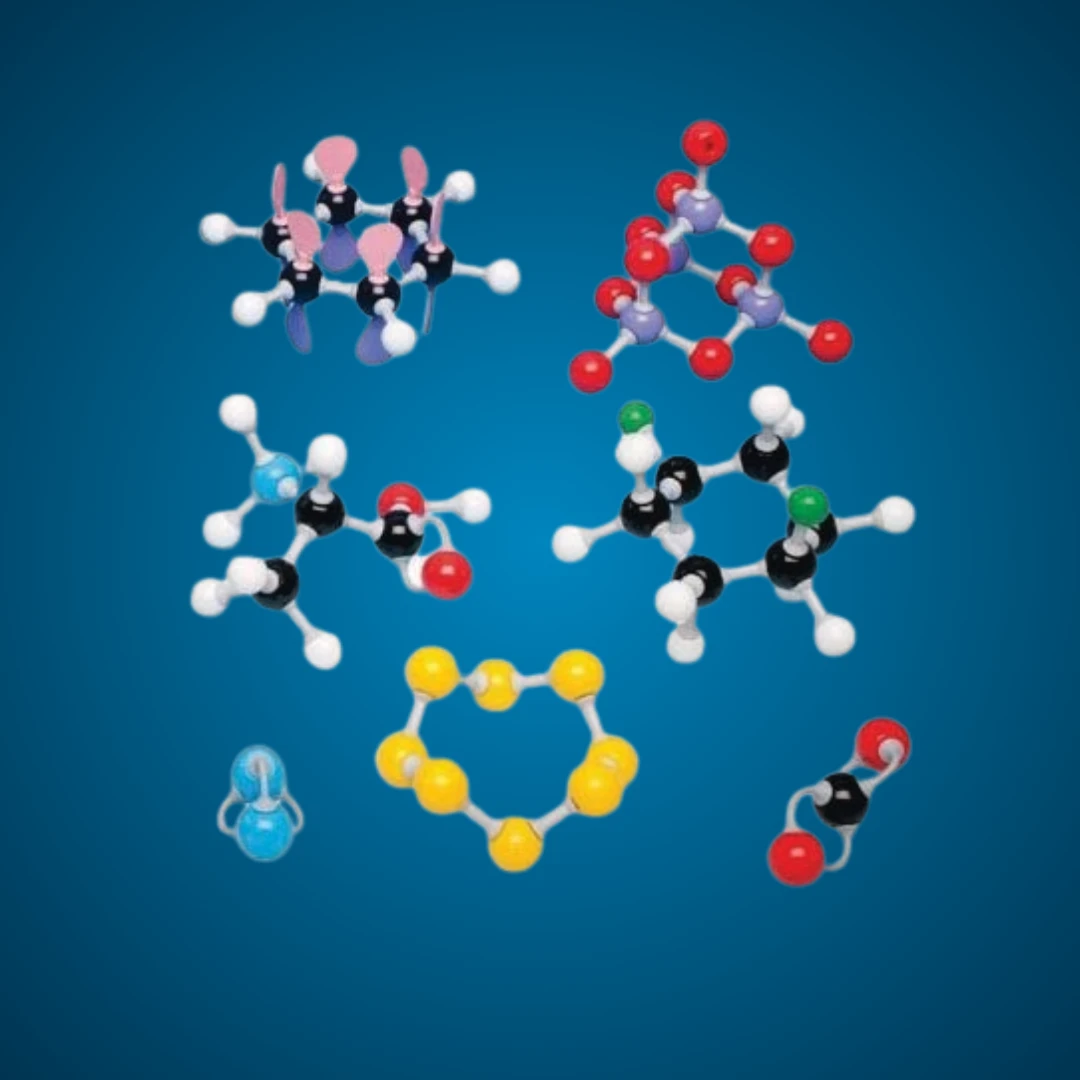
Easy Identification System : Color-coded parts for better understanding of atoms and bonds.
Consistent Product Quality : Manufactured under strict standards for accurate learning tools.
Wide Academic Acceptance : Trusted by schools, colleges, and training institutes.
Advanced Educational Design : Focused on clarity and conceptual understanding.
Cost-Effective Learning Kits : Durable and reusable for long-term use.
Reliable Supply Network : Ensures timely availability and smooth distribution.
This comprehensive set is the best because it allows visualization of water at multiple scales—from individual molecules to extended hydrogen-bonded networks. The 26 Oxygen (IV) atoms with four holes perfectly represent the tetrahedral hydrogen bonding geometry that gives water its unusual properties. By building both isolated molecules and ice lattices, students can see why ice is less dense than liquid water (the open structure), why water has high surface tension (extensive hydrogen bonding), and why it has such a high boiling point. This multi-scale approach provides the top rated understanding of water behavior.
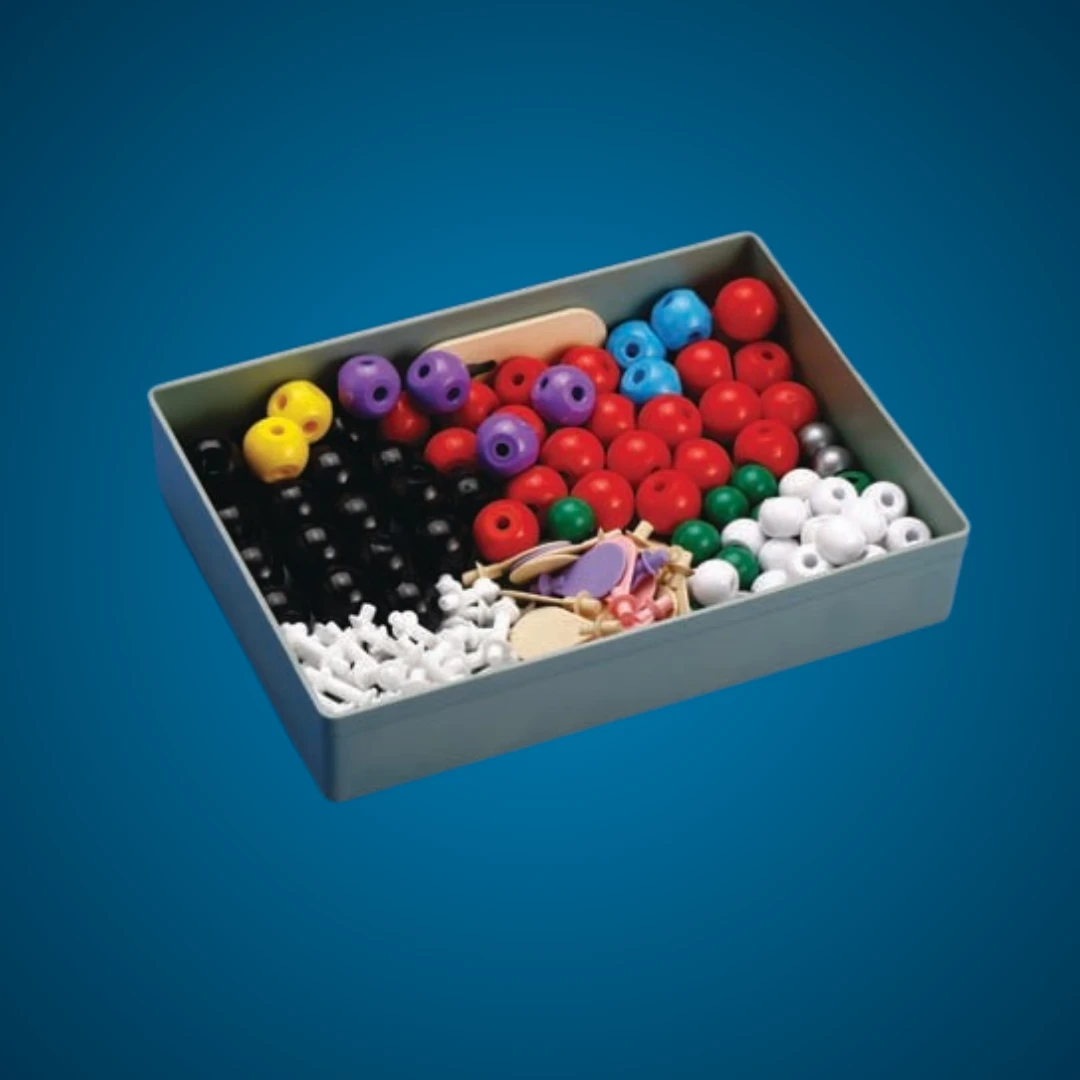
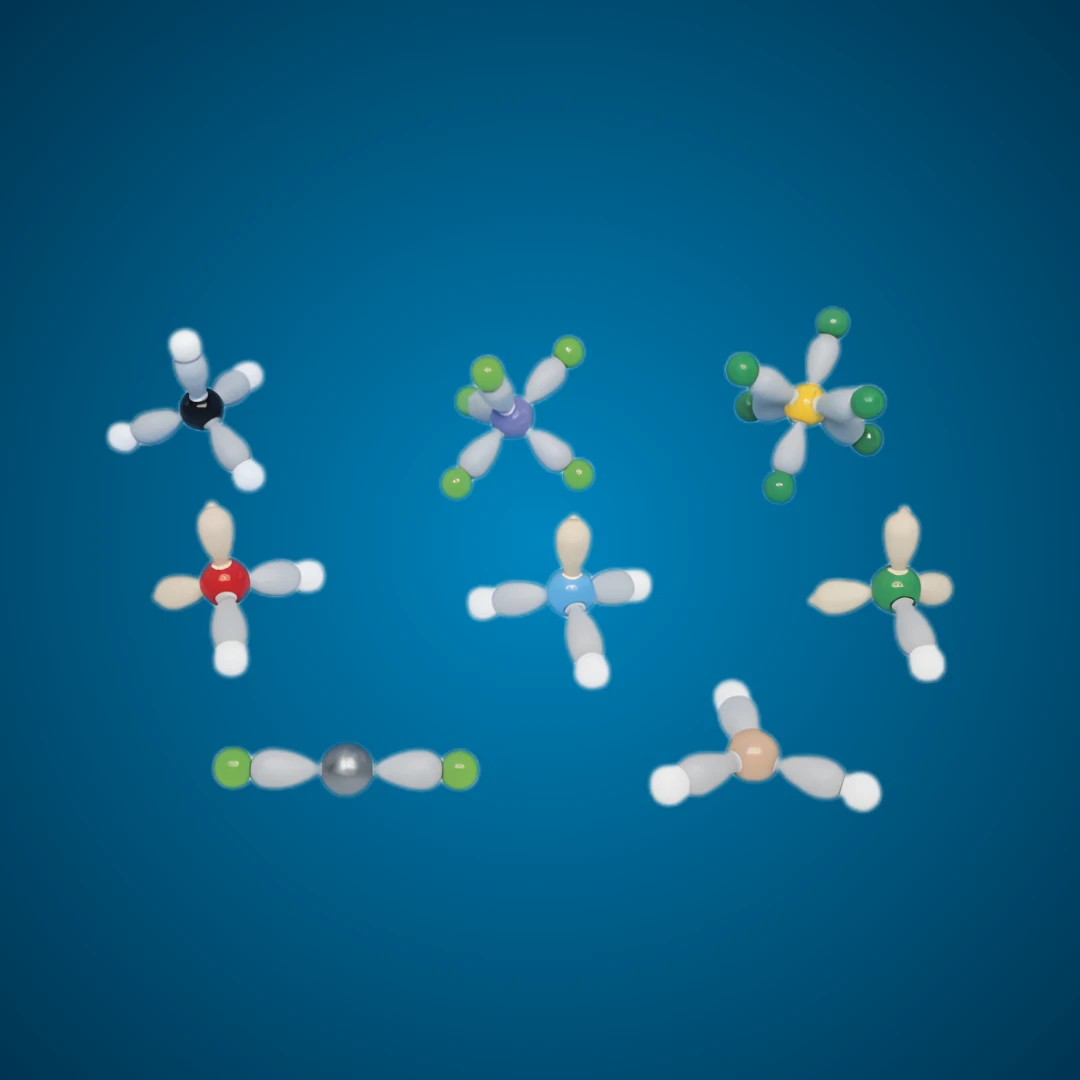
Oxygen (IV) features four holes arranged tetrahedrally. Two holes are used for covalent O-H bonds, and two represent the lone pairs that accept hydrogen bonds from neighboring molecules. This accurately models the tetrahedral hydrogen bonding environment of water. Hydrogen (II) features two holes—one for the covalent bond to oxygen, and one for participating as a hydrogen bond donor. This dual configuration is the best for accurately representing water hydrogen bonding network.
With 26 Oxygen atoms and 52 Hydrogen atoms (perfect 1:2 stoichiometry), you can build 26 complete water molecules. This allows you to construct multiple individual molecules for comparison, as well as extended ice lattices showing the hydrogen bonding network. The quantity is carefully chosen to provide the best balance for comprehensive study.
The 110 Connectors can be used to represent both bond types. Typically, covalent O-H bonds are shown with standard connectors, while hydrogen bonds (O···H) might be represented with different colored or styled connectors (sold separately) to distinguish them. This allows clear visualization of both intramolecular and intermolecular bonding in water and ice.
The Link Remover Tool is a specially designed instrument for easily disassembling complex hydrogen-bonded networks without damaging components. Water/ice models involve many interconnected molecules, and disassembly by hand can be difficult. This tool provides the best leverage for separating connections and is the top rated for maintaining the set longevity through repeated use.
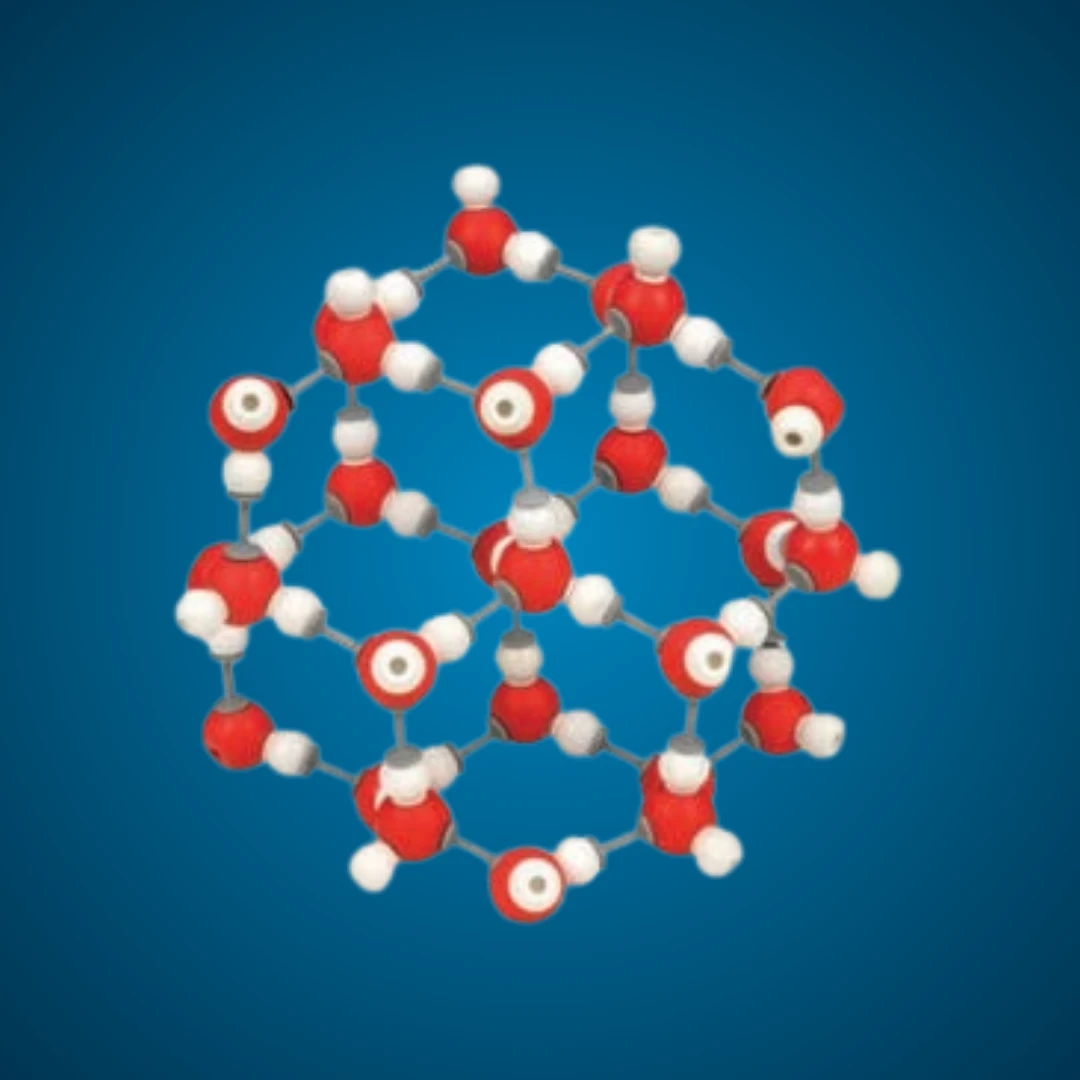
In ice, water molecules form a regular crystalline lattice with an open, tetrahedral structure held together by hydrogen bonds. This structure has significant empty space, making ice less dense. In liquid water, some hydrogen bonds are broken, allowing molecules to pack more closely. This set allows students to see the open ice structure, providing the best visual explanation for this density anomaly.
This water/ice set is suitable for a wide range of educational levels. It is excellent for introductory chemistry when teaching molecular geometry and polarity. It is ideal for physical chemistry courses covering intermolecular forces. It is valuable for biochemistry discussing water as a solvent. It is also useful for graduate-level courses in chemical physics and materials science. Its comprehensive nature makes it the best for in-depth study at any level.
Surface tension results from the strong hydrogen bonding between water molecules. At the surface, molecules have fewer neighbors and are pulled inward, creating tension. By building surface layers with this set, students can visualize how molecules at the surface have unsatisfied hydrogen bonding sites, providing the best understanding of this phenomenon.
While the set is ideal for building ordered ice structures, it can also be used to model the disordered hydrogen bonding network of liquid water. By creating clusters with varied hydrogen bonding patterns, students can appreciate that liquid water retains significant hydrogen bonding but lacks the long-range order of ice. This flexibility makes it the best for teaching both states.
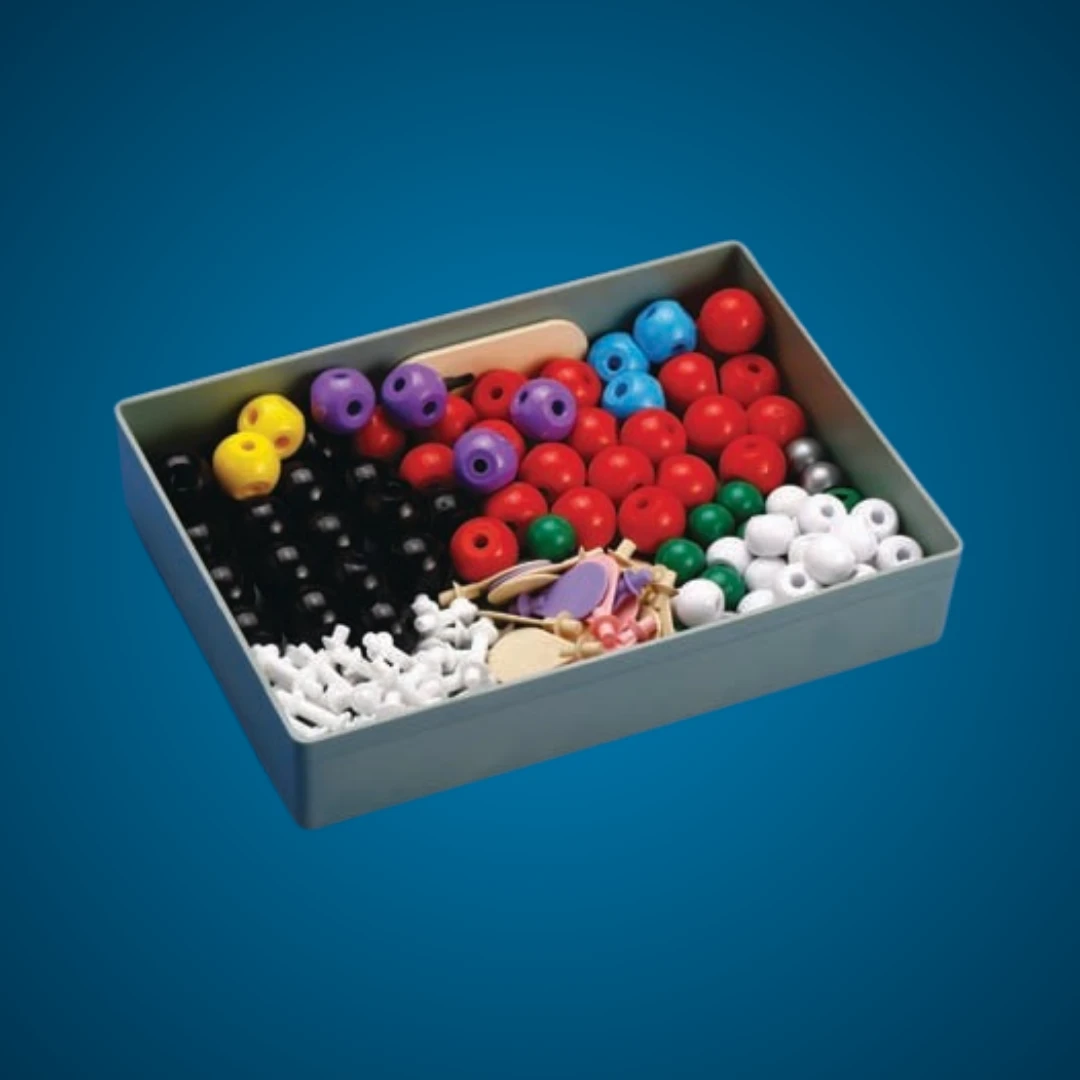
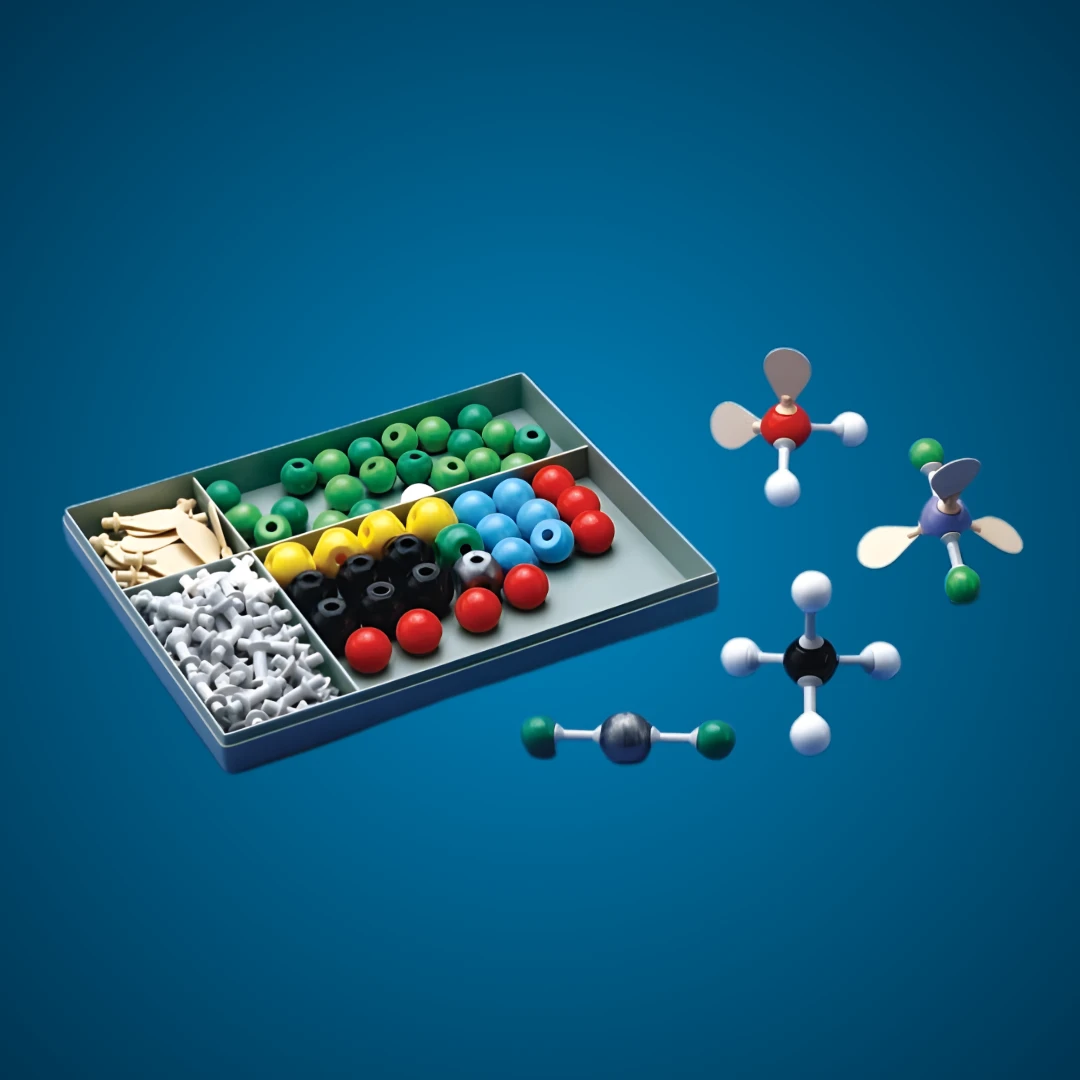
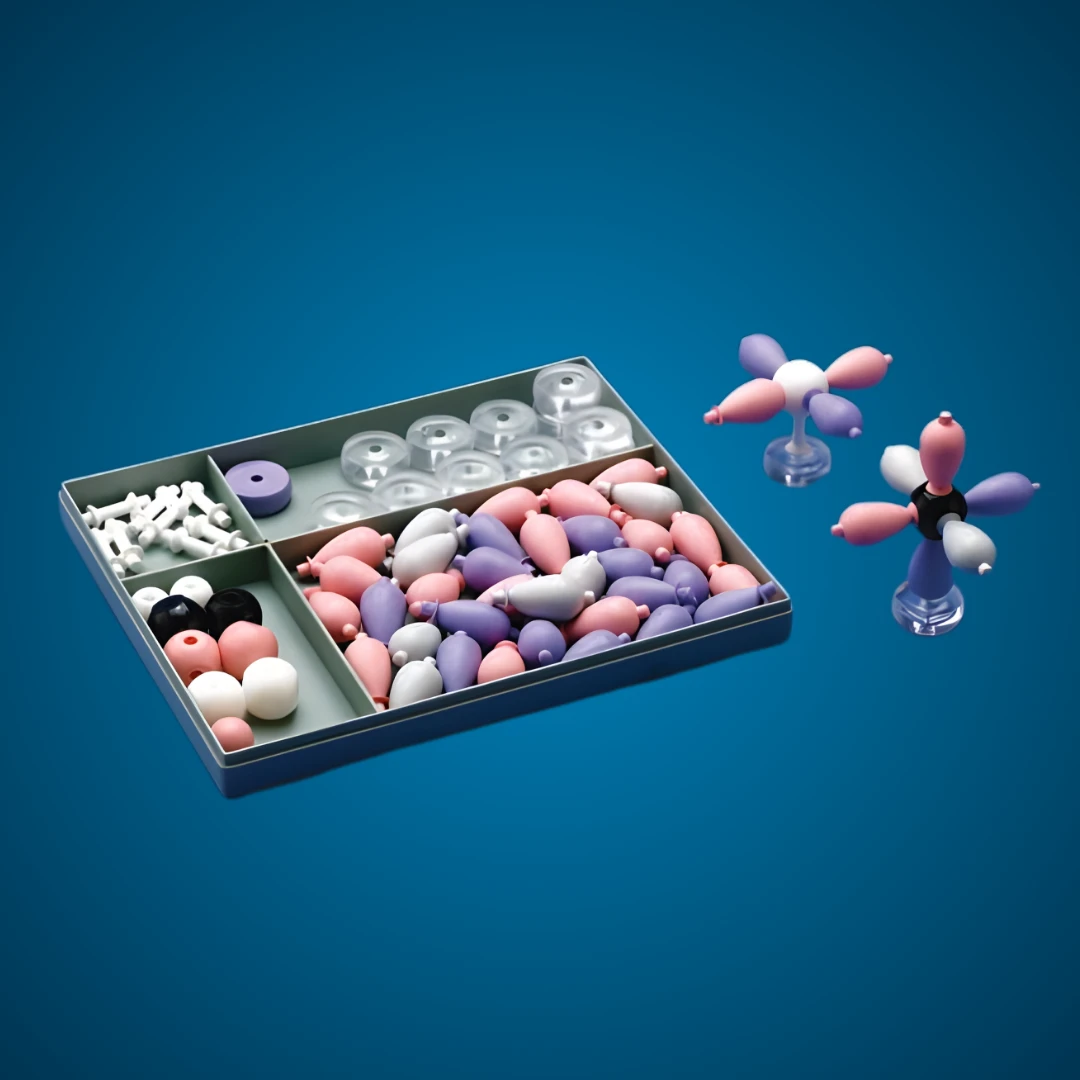
The Molecular Model Set - Water / Ice (H₂O) (Code 58035) is supplied individually, with one complete set per pack. Each set includes all 26 Oxygen (IV) atoms, 52 Hydrogen (II) atoms, 110 Connectors, and 1 Link Remover Tool, providing everything needed for comprehensive water and ice structure modeling in a single specialized package.
PolyLab offers a comprehensive range of high-quality plastic laboratory ware designed for accuracy, durability, and everyday laboratory applications across education, research, healthcare, and industrial sectors.
Copyright © 2026 PolyLab, All Rights Reserved.